Daley & Co
Warehouse & Industrial Relocation
Your stock keeps moving, even while your warehouse does.
How much does a warehouse relocation cost and can we keep trading?
A small unit moved over a shutdown starts from around £3,500, a mid-size warehouse from around £8,000, and a phased move that keeps order fulfilment running from around £15,000. Yes, you can keep trading: a phased plan transfers slow-moving lines first and fast-moving lines last. Daley & Co run their own HGV fleet and warehouse, so stock can be held between sites when the leases do not line up.
Overview
Warehouse & Industrial Relocation
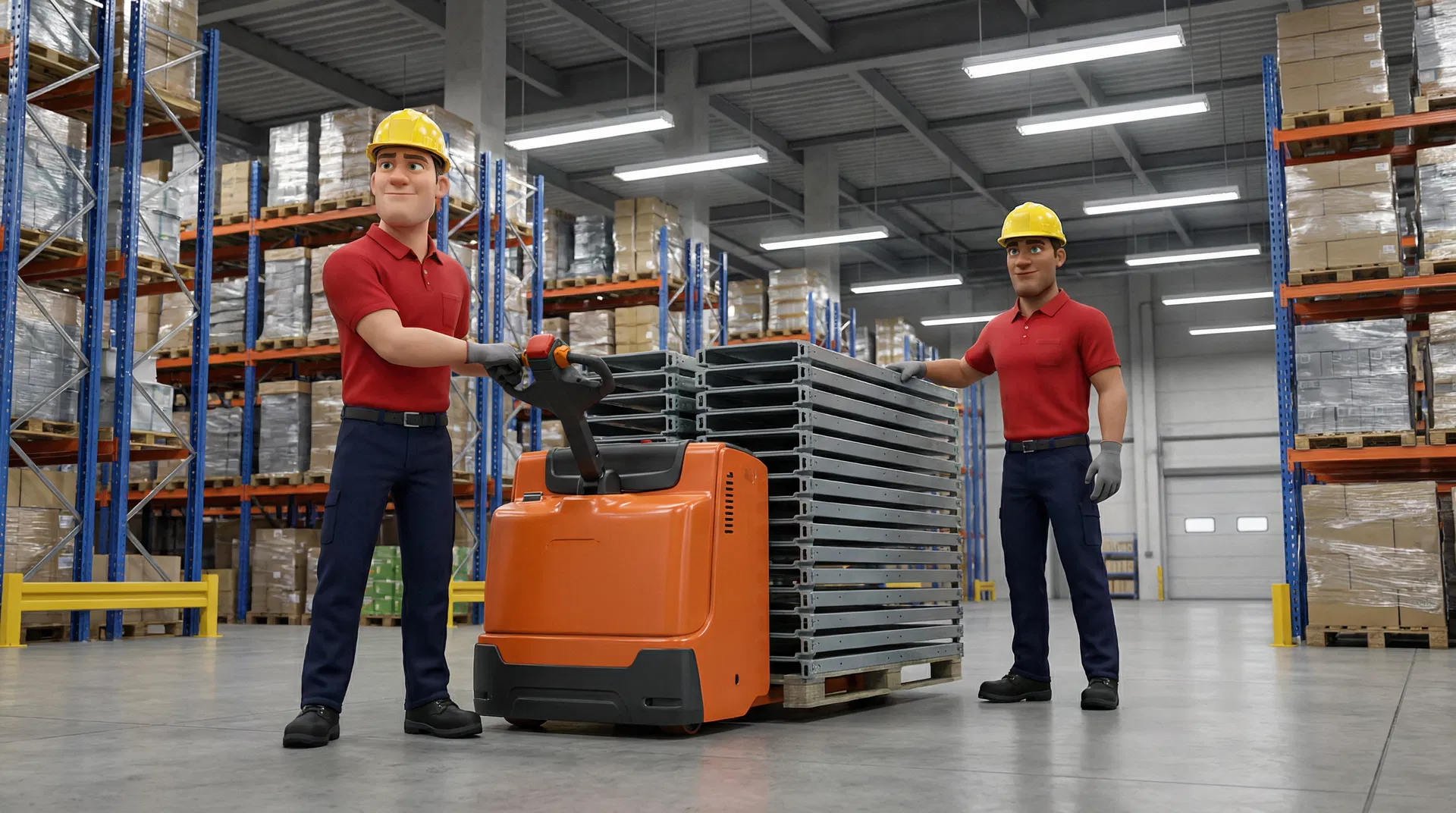
A warehouse move is not an office move with bigger boxes. The building is the operation: if the racking is down, nothing ships, and every hour of downtime is measurable in unfulfilled orders rather than inconvenience. Daley & Co plan warehouse and industrial relocations around that single constraint — the business has to keep trading through the move. We run our own HGV fleet and our own storage warehouse, which means we can hold stock in the middle of a phased move rather than forcing you to empty one building before the next is ready, and we can put the vehicles where they are needed without waiting on a subcontractor's availability.

What's Included
- Phased moves that keep order fulfilment running throughout
- Racking dismantled, transported and re-erected to the new layout
- Palletised stock moved with load integrity maintained end to end
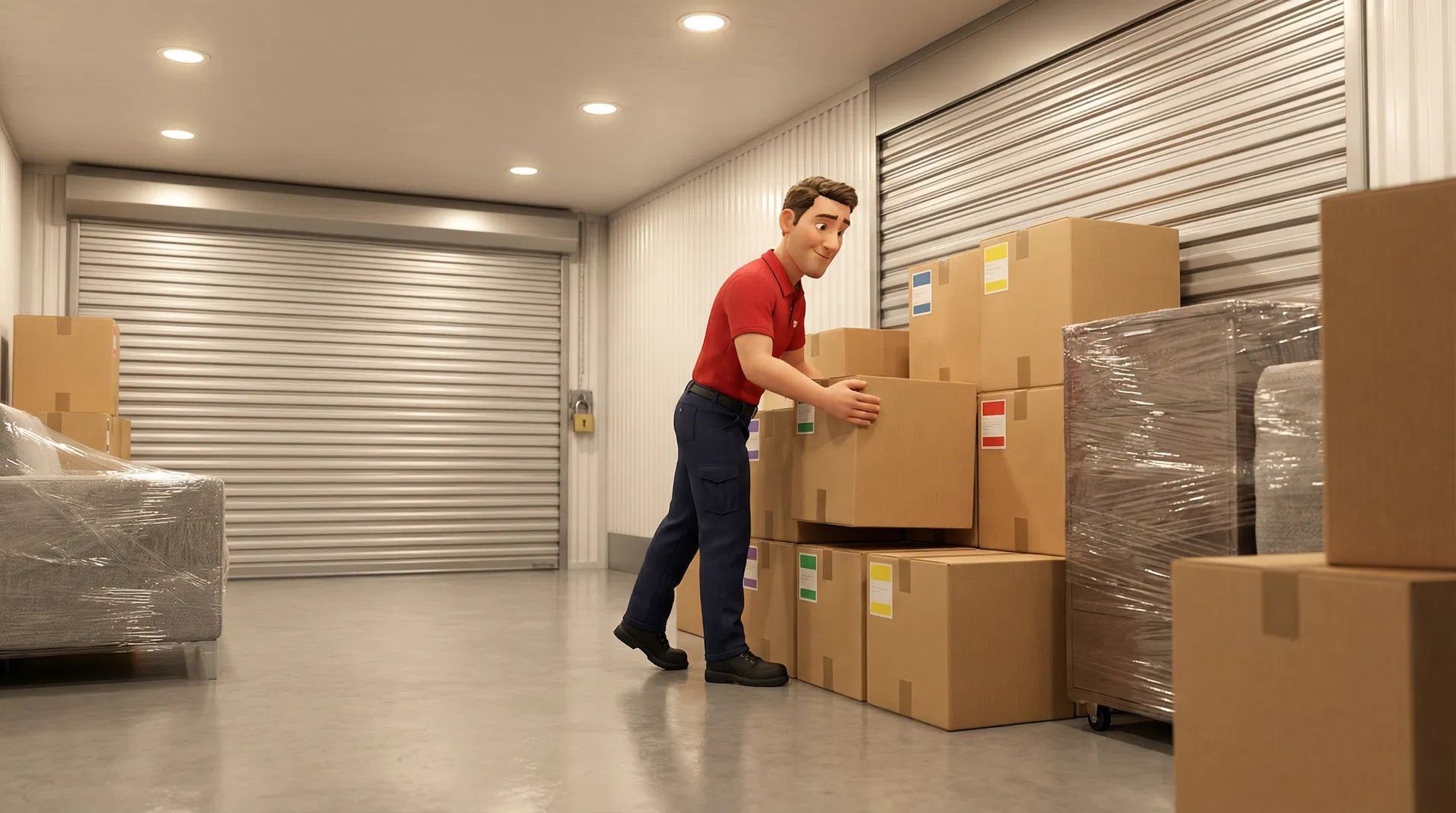
- Our own warehouse available as interim storage between sites
- Out-of-hours and weekend working to avoid trading hours
- Own HGV fleet — no reliance on subcontracted haulage
Phased Versus Single-Hit Moves
There are two ways to move a warehouse and the right one depends entirely on your order book. A single-hit move empties the building over a shutdown — usually a long weekend or a scheduled closure — and is the cheaper option because everything happens once, with maximum crew and vehicles on site. It works where you genuinely can stop shipping for three or four days, and it fails badly where you cannot, because there is no way to recover a schedule that has already consumed its only window. A phased move runs the two buildings in parallel for a period: racking goes up at the new site while the old one still picks, slow-moving lines transfer first, and the fast-moving lines cross last with the shortest possible interruption. It costs more, takes longer and requires far more planning discipline, but the fulfilment operation never actually stops. In our experience the decision is usually made on the wrong basis — firms choose the single hit because it is cheaper, then discover that four days of missed dispatch costs several times the difference. We will price both and be explicit about which we think fits your operation.
What We Need From You Before the Survey
A warehouse quote is only as good as the information behind it, and the things that move the price are rarely the things people expect. Useful to have ready: a rough pallet count and how many are on the floor versus in racking; the racking manufacturer and configuration if known, and whether the installation has a current inspection; loading dock arrangements at both sites, including whether a dock leveller is present and what vehicle class the yard can accommodate; floor loading limits at the new site, particularly on any mezzanine; and the trading pattern we need to work around, including your busiest dispatch days. If you have a warehouse management system, an export of stock locations lets us plan the placement at the far end rather than working it out on the day. None of this is essential to get a first indication of cost, but all of it improves the accuracy of the fixed price.
Sectors We Move Most Often
The North West's industrial base means warehouse relocations here skew towards distribution, e-commerce fulfilment, food and drink, engineering and textiles. Each has its own binding constraint. E-commerce fulfilment lives or dies on dispatch continuity, so the phasing plan is everything. Food and drink brings temperature control and hygiene requirements that dictate both the vehicle and the sequence, and a chilled or ambient distinction that cannot be improvised. Engineering and manufacturing carry heavy plant where the machinery move, not the stock move, sets the programme. Textiles and apparel involve high volumes of relatively low-weight goods where hanging garment stock needs the right equipment to avoid arriving creased and unsellable. We ask which of these you are early, because it changes the shape of the whole plan rather than just the price.
Insurance, Liability and What Is Actually Covered
Commercial goods in transit cover is not the same as household cover, and the difference matters when the load is your entire stock holding. Standard goods-in-transit policies carry per-consignment limits that a full warehouse move can exceed comfortably, so we establish the declared value at survey and arrange cover to match rather than assuming the standard limit will do. We also separate the categories properly: stock, racking and plant carry different risks and different values, and a single blanket figure usually under-insures one of them. Where your own insurer requires specific conditions — a named installer for the racking, a particular standard of securing for machinery — we work to those conditions and evidence them. We are a British Association of Removers member and carry both public liability and employer's liability cover; certificates are provided as a matter of course, not on request.
Pricing Guide
Warehouse Relocation Costs
Warehouse moves are priced on the work involved rather than a per-square-foot rate, because two buildings of identical size can differ by a factor of three depending on racking, dock access and whether the operation must keep trading. The bands below are indicative for the North West and assume a straightforward site with reasonable vehicle access at both ends. Every warehouse move is quoted as a fixed price after a site survey at both buildings.
Small Unit, Single-Hit Move
From approximately £3,500–£7,000. A compact unit moved over a shutdown, including racking dismantling and re-erection to a like-for-like layout.
Mid-Size Warehouse, Single-Hit
From approximately £8,000–£18,000. A larger single-hit move over an extended weekend, with multiple vehicles and crews working in parallel.
Phased Move, Trading Throughout
From approximately £15,000–£40,000. Priced on the number of phases rather than the volume; keeping fulfilment live is what drives the cost, not the mileage.
Racking Only
From approximately £2,000–£6,000 where stock is handled by your own team and we transfer and re-erect the racking to the new layout.
Interim Storage Between Sites
Charged on the space genuinely used, per week, in our own containerised warehouse. Frequently cheaper than a short-term lease on a third building, and with no second company to coordinate.
Out-of-Hours and Weekend Premium
Night, weekend and bank holiday working carries an uplift on the crew element. We quote it separately so you can see exactly what avoiding trading hours costs.
All prices are indicative, exclude VAT, insurance, and insurance premium tax (IPT), and are subject to a free home survey. Final pricing is confirmed following survey and includes a full breakdown of all applicable charges.
How It Works
Our process, step by step.
Site Survey, Both Ends
We survey the outgoing and incoming buildings: loading dock heights, door dimensions, floor loadings, racking type and condition, forklift access and the yard turning circle. Warehouse moves fail on details like a dock that will not take a curtain-sider, and those are found on site, not on a plan.
Phasing Plan Agreed
We agree what moves first and what must stay live. Typically slow-moving stock and non-critical racking go early, fast-moving lines last, so the picking operation continues for as long as possible from the old site and starts as early as possible at the new one.
Racking and Fit-Out
Racking is dismantled, labelled by run and bay, transported and re-erected to the agreed new layout so the incoming building is ready to receive stock rather than ready to be unloaded into.
Stock Transfer
Palletised goods are moved with load integrity maintained, and stock is placed into its designated new location rather than dropped in a holding area to be double-handled later.
Handover and Snagging
We walk the new site with your operations lead, confirm every run is where the plan says it is, and deal with any snags before the crews leave.
Why Choose Us
The Daley & Co difference.
Downtime Is the Only Metric That Matters
A warehouse relocation is judged on one thing: how many orders you failed to ship. Everything else — the price, the crew size, the vehicle count — is downstream of that. We build the plan backwards from your fulfilment commitments rather than forwards from the loading schedule, which usually means more phases, more out-of-hours working and a longer overall programme than the cheapest quote you will receive. It also means you keep trading.
Our Own Warehouse Solves the Overlap Problem
The hardest part of most warehouse moves is the gap: the lease on the old building ends before the new one is fit to receive stock, or the racking cannot go up until a floor is sealed. Because we run our own storage warehouse, we can take stock in for the interim period and release it back in the order your picking operation needs, rather than you renting a third building or compressing the programme into a weekend that was never realistic.
Racking Is a Trade, Not a Lift
Pallet racking is a load-bearing structure. Dismantling it without recording bay configurations, beam levels and which uprights were damaged is how a business ends up with a warehouse that cannot be signed off. We label by run and bay, record the configuration before anything comes down, and flag components that should not be re-erected. Where a racking installation requires a specialist inspection or a SEMA-qualified installer, we say so and coordinate it rather than quietly doing it ourselves.
Out of Hours Without a Subcontractor Lottery
Most warehouse moves happen at night, over a weekend or across a shutdown, because that is when the operation can pause. Firms without their own fleet subcontract that work, and a subcontracted driver who has never seen your site is exactly the wrong person to have on a tight schedule. Our vehicles and our crews do this work, which is why we can commit to a 2am start and mean it.
Plant, Machinery and the Honest Limits
We move commercial and light industrial equipment routinely — conveyors, packing lines, workshop machinery, catering and gym equipment. Where a machine needs a specialist millwright, a crane lift or a decommissioning certificate, we tell you at survey and coordinate the specialist rather than attempt it and hope. Knowing where our competence ends is part of the service; a damaged production line costs more than the entire move.
Verified Customer Reviews
What our customers say.
“Very nice gentlemen. Would not hesistate to use again the company.”
“Very friendly, efficient, careful and excellent customer service. They have worked very hard for us.”
“Super Lads”
Ready to get started?
Get a free, no-obligation quote from our team today.
FAQs
Common questions answered.

Established 1948
78 years of trusted service. Fully insured, professionally trained, and committed to the highest standards on every move.
Daley & Co
We'll call you back
in 28 seconds.
By submitting, you agree to receive a callback from Daley & Co.
Powered by CallPage.
Chat with us on WhatsApp
Quick questions? We typically reply within a few minutes.